
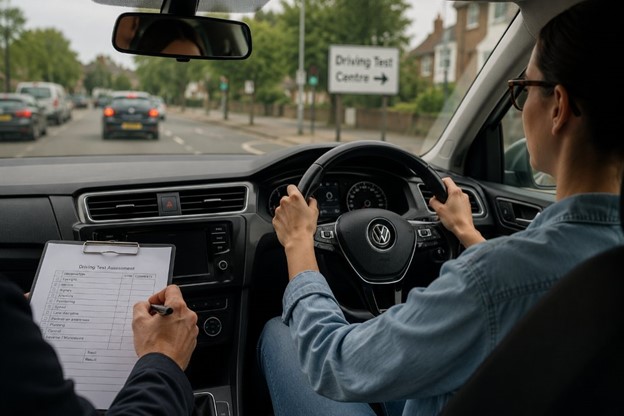
Why So Many Smart People Keep Failing Their Driving Test
Failing your driving test does not mean you cannot drive. Most people who fail are perfectly capable behind the wheel. They know the rules. They have put in the hours. They can handle the car.
And yet, on test day, something goes wrong.
It happens to smart people. Careful people. People who studied hard and practiced plenty. The failure rate on UK driving tests has been sitting above 50 percent for years, and that number tells a story that goes beyond skill.
It Is Almost Never About Skill
Here is what the numbers do not show. Most failed tests come down to a handful of repeated mistakes. Not major crashes or dangerous driving. Small things. Observations at junctions. Mirror checks that got skipped under pressure. Hesitation that turned into a fault.
The examiner is not sitting there hoping you mess up. But the format of the test itself creates a kind of pressure that does not exist during normal lessons. You are being watched. You know this matters. And your brain responds accordingly.
Stress changes how you process information. Things you have done a hundred times without thinking suddenly require active thought. And that is exactly when mistakes creep in.
The Gap Between Knowing and Performing
There is a real difference between knowing how to drive and being able to perform under test conditions. And most learners do not bridge that gap before their test day arrives.
That is where a mock driving test course becomes genuinely valuable. Not as extra practice in the usual sense. But as a chance to experience the real conditions of a test without the real consequences. Same route format. Same examiner behavior. Same pressure. But with room to learn from what goes wrong without it costing you a pass.
The feedback from a mock test is different from regular lesson feedback. It is sharper. More targeted. It shows you exactly where your weak points are before they matter on the real day.
Preparation Is Not Just About Miles Driven
A lot of learners think more driving time equals more readiness. And mileage does help. But it is not the whole picture.
Understanding the test format, knowing what examiners look for, practicing specific maneuvers in test like conditions, and getting comfortable with being evaluated all make a difference that pure driving hours cannot replace.
A structured driving test preparation course helps you fill the gaps that regular lessons miss. It is not about learning new skills at that point. It is about organizing what you already know and presenting it cleanly under pressure.
There is a real skill in performing under observation. And like any skill, it improves with the right kind of practice.
What Changes When You Actually Feel Ready
Confidence on test day is not arrogance. It is the result of genuine preparation. When you have already been through the pressure of a mock test, when you know what to expect, when your body has practiced staying calm in an evaluative setting, the real test feels different.
Not easy. But manageable.
Most people who fail once and come back better say the same thing. The second time they knew what they were walking into. The nerves were still there. But they were not in charge anymore.
That is the difference. And it is worth preparing for.



Leave a Reply