
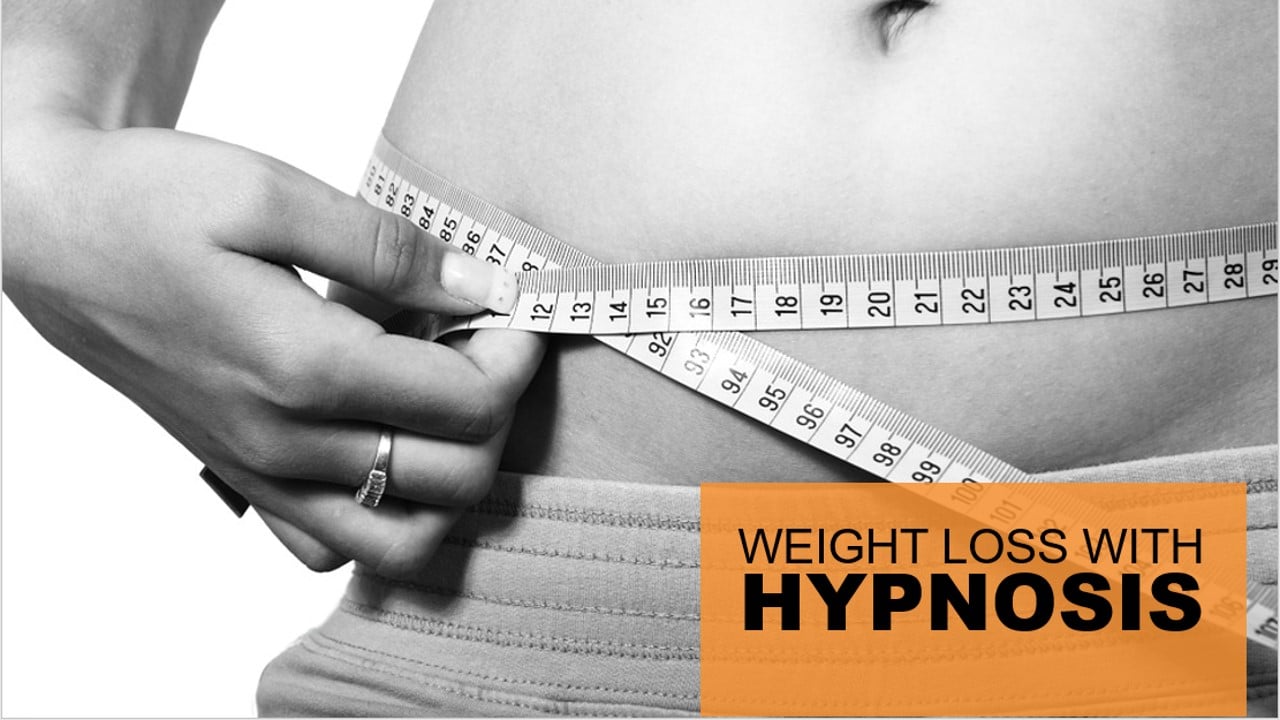
Hidden Mental Blocks That Prevent You from Losing Weight
Losing weight is often seen as a matter of exercise routines, diet plans, and calorie control. In recent times, many people struggle to lose weight despite following the right strategies because the real barriers exist in their minds. These barriers are considered hidden mental blocks, which include fear, emotional triggers, and unconscious habits. These blocks can quietly disrupt progress. Understanding these psychological patterns is essential for creating sustainable lifestyle changes and building a healthier relationship with food and your body.
Mental Blocks That Disrupt Diets
Let’s read it!
Out of Touch with the Body
Many people struggle with dieting because they lose touch with the natural hunger and fullness signals of their bodies. Busy work schedules, stress, and emotional eating can make it hard to recognise when your body truly requires nourishment. Techniques such as weight loss hypnotherapy can help you reconnect your mind and body by supporting more balanced eating habits and healthier awareness.
Secondary Gains
People often unconsciously benefit from staying in their current state, even when they wish to lose weight. It can be said that extra weight may provide attention, comfort, or protection from certain situations. These are the hidden benefits of gaining weight that are known as secondary gains. These can create resistance to dieting because the mind tries to preserve the emotional advantages of the current habits.
Imitation
If you lack confidence and self-esteem, you may try to compensate for these deficiencies by modelling yourself after someone you admire. Workplace routines, family traditions, and social gatherings can shape how and when you eat. It can be said that when unhealthy patterns are normalised in these environments, dieting becomes challenging as you might feel pressured to follow the same behaviours.
Self-Punishment
Self-punishment is a serious block. It not only results in obesity but also can poison an entire life. This mindset for dieting can lead to extreme restrictions, guilt, and unhealthy cycles of deprivation and overeating. Rather than creating lasting change, self-punishment weakens motivation and makes it harder to build a balanced and supportive relationship with food.
Happiness
For many people, food is closely linked to their happiness, comfort, and celebrations. This emotional connection with food can make dieting feel like giving up joy rather than building healthy eating habits. Working with a trusted hypnotherapist can help you reshape these associations. These professionals help find happiness in healthier habits and a more positive relationship with food.
Fear of Failure
You may be unable to lose weight, as you are afraid of experiencing failure. This fear of failing again can be a powerful mental barrier if you have tried many diets in the past. Past disappointments may create hesitation and doubt and prevent full commitment to new healthy habits. This fear can make lasting weight management feel unattainable or overwhelming.
Look, weight loss is not just a physical journey but also a mental and emotional one. Identifying these mental barriers towards weight management can help you understand why progress sometimes feels difficult. By addressing these blocks and developing a more supportive mindset, you can create lasting changes.



Leave a Reply