
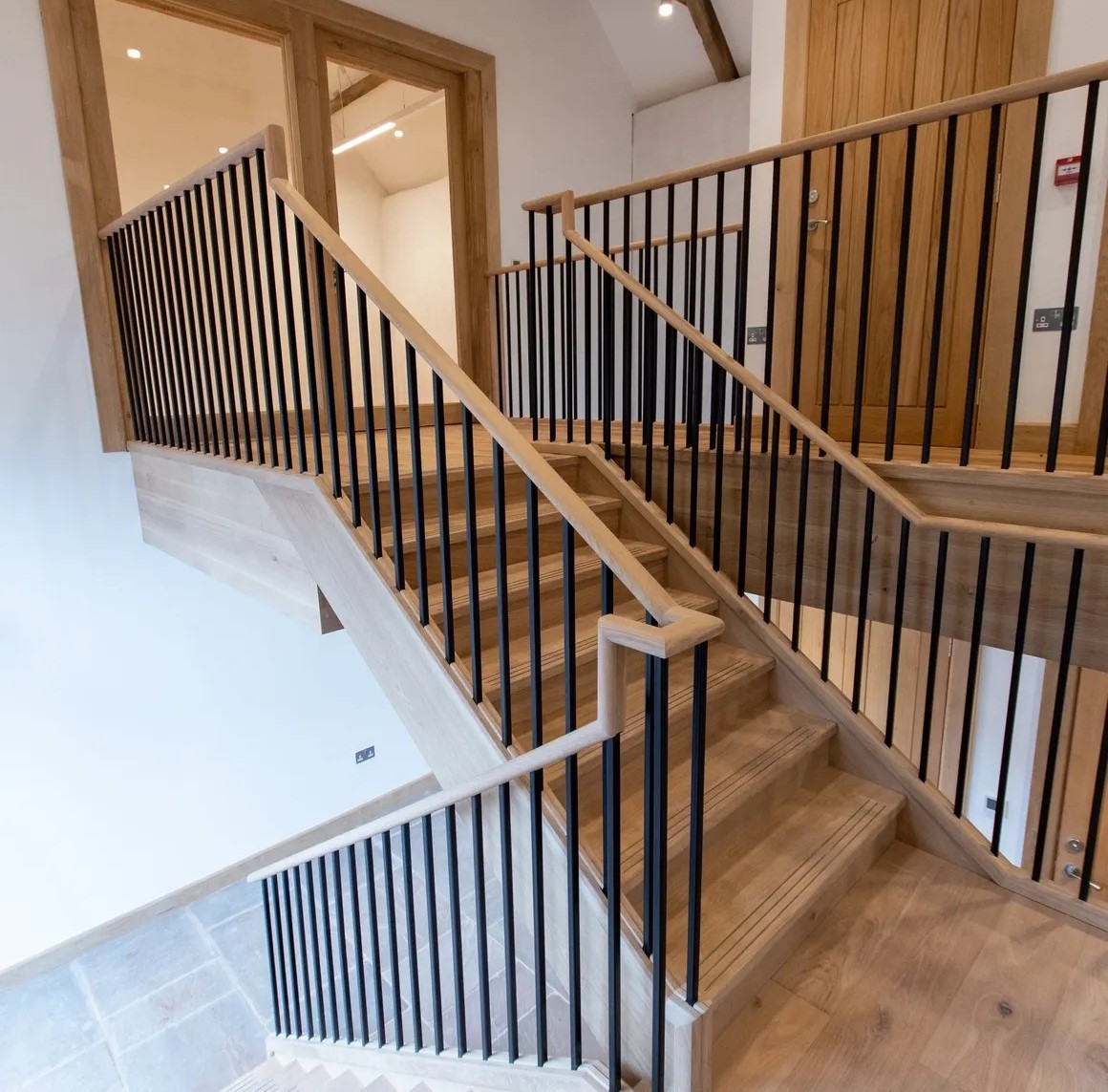
Why Custom Made Stairs Change the Feel of Your Home
There is something about a staircase that people rarely talk about, yet everyone notices. It sits right in the middle of daily life. You walk on it every morning, pass by it dozens of times a day, and guests almost always glance at it the second they step inside. Still, when planning a home renovation or new build, stairs often become an afterthought. That is a missed opportunity.
A staircase is not just a functional structure that takes you from one floor to another. It is a design feature, a statement, and sometimes even the heart of the home. When it is thoughtfully designed and properly crafted, it can transform a plain interior into something warm, balanced, and truly personal.
Why Stairs Deserve More Attention
Most people focus on kitchens, flooring, and paint colors first. Those are important, sure. But stairs connect spaces. They influence how light moves through a hallway. They shape the first impression when someone opens the front door. If the design feels awkward or bulky, the whole home can feel slightly off.
That is why investing in Custom made stairs makes so much sense. Instead of squeezing a standard staircase into a space and hoping it works, the design is shaped around your home. Ceiling height, layout, natural light, and even how you use the space daily all become part of the plan. The result feels intentional rather than forced.
Designed to Fit Your Space, Not the Other Way Around
Every home has its quirks. Maybe the hallway is narrower than average. Maybe you are renovating an older property where nothing is perfectly square. Standard stair units are built to generic measurements, which means adjustments on site and compromises in finish.
With custom joinery, the staircase is measured precisely and built specifically for that opening. The angles feel right. The rise and run are comfortable. The proportions work with the surrounding walls and doors. It is the difference between something that simply fits and something that truly belongs.
Craftsmanship You Can Actually Feel
There is a noticeable difference between mass produced construction and carefully crafted timber work. It is not just about how it looks. It is about how it feels under your hand when you slide it along the banister. It is about the solid sound of your footstep on each tread.
Traditional joinery techniques combined with modern precision create stairs that are both beautiful and strong. Timber, when selected and treated properly, brings warmth and character into a home. It ages gracefully and can often be refinished instead of replaced. That long term thinking matters more than people realize.
Style That Matches the Soul of the Home
A staircase should reflect the personality of the house. In a period property, that might mean elegant spindles, curved handrails, and details that echo original features. In a contemporary build, it could mean clean lines, open risers, and a lighter visual footprint.
The beauty of working with a specialist joinery team is flexibility. Designs can be adapted, adjusted, and refined until they feel exactly right. Nothing has to be overly decorative or dramatic. Often the most impressive stairs are the ones that quietly complement the rest of the space.
It Is About Function Too
Of course, stairs need to be safe and comfortable. Good design is not just about aesthetics. The width, pitch, and spacing must all work together to create a smooth daily experience. This is especially important in family homes where stairs see heavy use.
Custom built stairs allow for thoughtful details like integrated storage beneath, better lighting placement, or subtle design tweaks that make everyday movement easier. These are small decisions that add up over time.
The Value of Experience and Process
One of the overlooked benefits of working with an experienced joinery company is the process itself. It usually starts with listening. Understanding the building, the homeowner’s lifestyle, and the desired look. Then comes careful measurement, design drawings, material selection, and precise manufacturing.
When design, manufacturing, and installation are handled as one connected process, the end result feels cohesive. There is less room for miscommunication or last minute fixes. That level of coordination often shows in the final finish.
Thinking Long Term
Stairs are not something you want to replace every decade. They are structural, central, and heavily used. Choosing quality materials and skilled craftsmanship from the beginning often saves money and stress later on.
Timber staircases can be maintained, refinished, and even updated without full replacement. That makes them a sustainable option, especially in homes where longevity matters more than short term trends.
A Final Thought
If you are planning changes to your home, take a moment to look at your staircase. Is it simply there, doing its job quietly but without personality? Or could it become something more?
The right staircase does not shout for attention. It just feels right. It connects floors with ease, adds warmth to the space, and reflects the care that went into the home as a whole. And when that happens, you notice the difference every single day, even if you cannot quite put it into words.


Leave a Reply